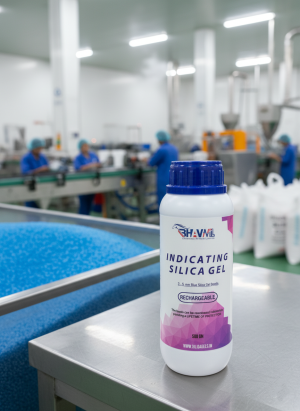
- Silica gel is a highly porous, noncrystalline type of silica that is used to remove moisture from gases and liquids, thicken liquids, give paints and synthetic films a dull surface, and for other applications. Silica gel has been known since 1640, but its absorbent characteristics were discovered to be beneficial in gas masks during World War I. It's usually made by acidifying a silicate solution, such as water glass; the resultant silicic acid produces a hard mass or a gelatinous precipitate from which soluble ingredients are washed away with water.
- Heat is used to eliminate the water, leaving a glassy, granular solid behind. The gel is not entirely dried for maximum desiccant action, but it is left with a tiny proportion of mixed water.
- The actual density of silica is 2.2 grams per milliliter (137 pounds per cubic foot), although silica gels have substantially lower bulk densities due to their porosity. The bulk density of a popular commercial form is roughly 0.7 gram per milliliter, with a surface area of around 750 square meters per gram, or more than five acres per ounce.