
To keep your seeds for a long time, dry them out.
When it comes to keeping seeds, drying is a must. You are conserving this year's crop for future years by storing seeds. However, if the seeds are not properly processed and kept, they may rot and be squandered. As a result, it's safe to dry the seeds before expecting them to work their magic in the field.
Warmth and moisture in the air are the optimum conditions for seeds to germinate. Germination is the process through which seeds use stored energy to create a life within them. As a result, if seeds are exposed to the elements and become moist, they may become depleted and incapable of producing plants when planted.
Instead, because the seed's metabolic activity is halted when moisture, warmth, and light are removed, the energy stored within the seed will endure for a long time. So, after drying the seeds, store them to optimize their germination rate and extend their storage life.
Wet seeds, on the other hand, have a tendency to lose their coat skin. This protective skin protects the seeds from decaying and bugs. As a result, moist seeds will readily rot and become unsuitable for sowing once the protective shell has been removed. Seeds that are dried are also less susceptible to bugs that feed on moist seeds. Pests prey on moist seeds and spread illnesses that compromise seed quality and longevity. You can protect your seeds from infections like these by drying them. Seeds kept in wet circumstances also grow mould, which degrades the quality of the seed.
Stopping this metabolism in seeds can be accomplished in a variety of ways. All of these procedures, however, ensure that seeds remain dormant in a dry, cold environment. Despite being dried, the seed's life duration is governed by a variety of different elements.
Depending on the amount of seed to be kept and the seed life expectancy, several seed drying procedures can be utilised. The method may vary, but the concept is the same: decrease the temperature and humidity to a point of dormancy, then store seeds in sealed containers at very low temperatures, such as glass jars.
Containers are important in the seed life cycle since plastic containers might detract from the whole concept. Long-term storage is done in glass jars with rubber closures and metal clasps, or snap-top mason jars. It is recommended that the dried seeds be classified and packed in envelopes, with the packets being labelled and stored in clear containers. This prevents unintentional container opening and shutting while you hunt for the right one. When the container seal is broken, the air within comes into touch with moisture, which might ruin the seeds inside.
Rice can be used to dry the seeds for storing in the home. The rice absorbs the seeds' moisture and dries them out. To make this, double the amount of rice by five and bake it in the oven. Place the seeds to be dried in a paper bag and store them in an airtight container with the dry rice for two to three weeks. By this time, the seeds would be entirely dry. The dried seeds should be kept in an airtight container.
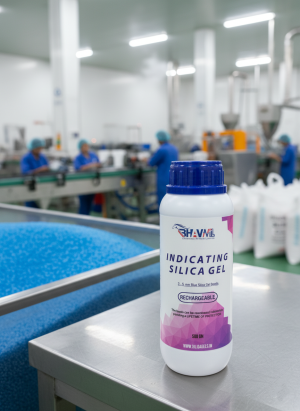
Use the silica gel approach for greater amounts of dried seeds. Silica gel is a porous silicon dioxide that is available in the form of beads. This beaded type of amorphous silicon dioxide traps water molecules in its uneven holes, removing moisture from the environment. As a result, silica gel is frequently employed as a desiccant. The reusability of the silica gel technique is one of its main advantages. Moisture from saturated silica gel beads may be removed with proper processing, and the same set of beads can be used to dry numerous batches of seeds.
Mix equal quantities of silica gel and the seeds to be dried in an airtight container to dry the seeds.
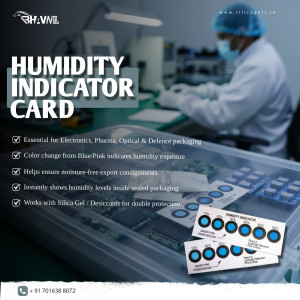
Some of the physical characteristics of silica gel are altered when moisture is absorbed. Depending on the type of silica gel that is used, the beads acquire weight and change colour. Weigh the silica gel component before and after drying to figure out how much it has changed in weight. Alternatively, utilise colour-changing beads such as orange to green or blue to pink, as well as non-indicating white beads. As a result, you'll be able to tell when the drying agent has to be replaced.
Seed drying is simple and quick with high-quality silica gel beads. The silica gel drying procedure will improve the quality and lifespan of stored seeds.