
In summary, this article:
For international transport, your box and crate machinery or precious components. Everything is done with extreme caution, ensuring that nothing is harmed and that everything is protected from stress and vibration. Everything in the container would be fine if it fell from a height of 5 feet. The products are loaded into a shipping container, and you await notification that they have arrived in great condition. But then they arrive 5 weeks later, and you get a call saying that everything has been ruined. Moisture has infiltrated the space: mildew and mold abound, and many objects have spent weeks soaking in a puddle of water.
This is rain in a container. In the shipping sector, it's a serious issue. According to some estimates, unanticipated moisture concerns such as container rain cause up to 10% of global shipments to be discarded. That's a big blow to the company's bottom line.
So, whence does this "rain" originate? When the moisture within a container is exposed to a temperature shift, the moisture converts to water, resulting in container rain. If you load a container's contents in Georgia during the summer (100 percent humidity and 100 degrees Fahrenheit air temperature) and transport it to Europe across the northern Atlantic, the temperature inside the container might change by 80 degrees Fahrenheit or more. Because of this variation, moisture will reach its dew point and convert into the water, similar to how condensation develops on the outside of a cold Coca-Cola glass in the summer.
All of that moisture condenses, then converts to humidity, creating a cycle that keeps it raining inside your cargo for the several weeks it may take to arrive at its destination.
It's all about the moisture in container rain. You can prevent container rain if you can discover a means to dry out the contents of your shipment or contain the moisture in a safe manner. But first, you must comprehend the unusual locations where moisture might hide.
What are your options for dealing with container rain? How do you keep moisture from condensing if it's trapped in all of these materials? There are several methods for preventing moisture from turning into rain in your container, and each cargo will necessitate a unique technique based on the circumstances. Experts in packaging can assist you in navigating these alternatives.
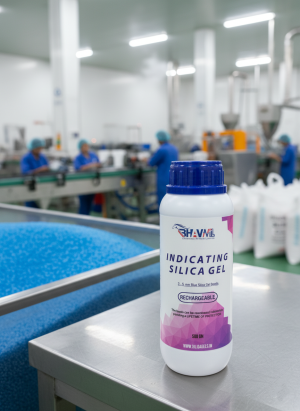
Desiccants are hygroscopic (water-absorbing) compounds used to keep moisture out of a certain area. They come in bags that may be hung in a container or added to the specific items you're shipping. You'll typically find a little bag of silica balls in the shoebox when you buy shoes. Desiccant is a kind of desiccant. Preventing moisture accumulation often requires a mix of desiccants inside and outside of items.
Most of the time, when we think about safeguarding our goods from harm, we think of impact or dropping. We envision shattered wood or smashed crates. In truth, the most important thing to guard against is wetness. Moisture is more persistent and sneaky than air. To defend against it, you must first grasp how it works and where it hides.
If you're concerned about how to safeguard your shipment from container rain, give us a call. For decades, we've ensured secure and dry shipping, and we're pleased to share our knowledge. To learn more, please contact us now.